Heritage
Nha nhac and the sound of ritual at the royal court of Hue
Nha nhac once accompanied the most important rituals of the imperial court. Understanding it means understanding how a dynasty used sound to express order and solemnity.


The former imperial capital on the Perfume River, where court ritual, refined cooking and an unhurried pace of life are still part of everyday life.
Hue was the capital of the Nguyen dynasty, and that heritage lives beyond the walls of the Imperial City. It is in the way a pot of sweet soup is cooked, in the soft local accent, and in court music kept alive through many upheavals.
Localis approaches Hue through two layers: the recognised heritage, and the everyday life of the people who live alongside it.
Nha nhac once accompanied the most important rituals of the imperial court. Understanding it means understanding how a dynasty used sound to express order and solemnity.
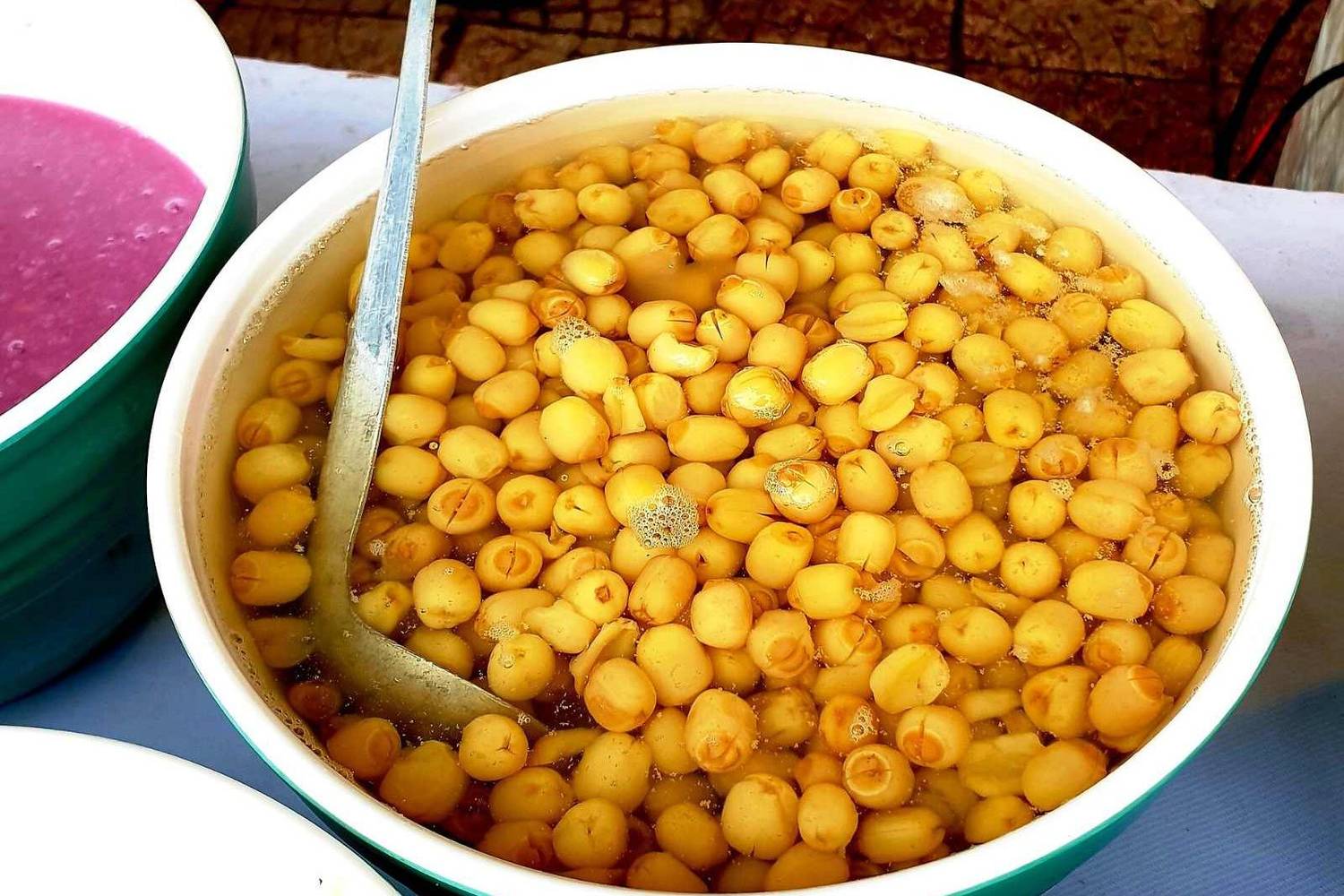
People in Hue can name dozens of kinds of chè. Behind that variety is a careful way of eating and the street vendors who have fed many generations.
8 places in Hue already have a profile in the app, with opening hours, the best season to go and the story behind them.
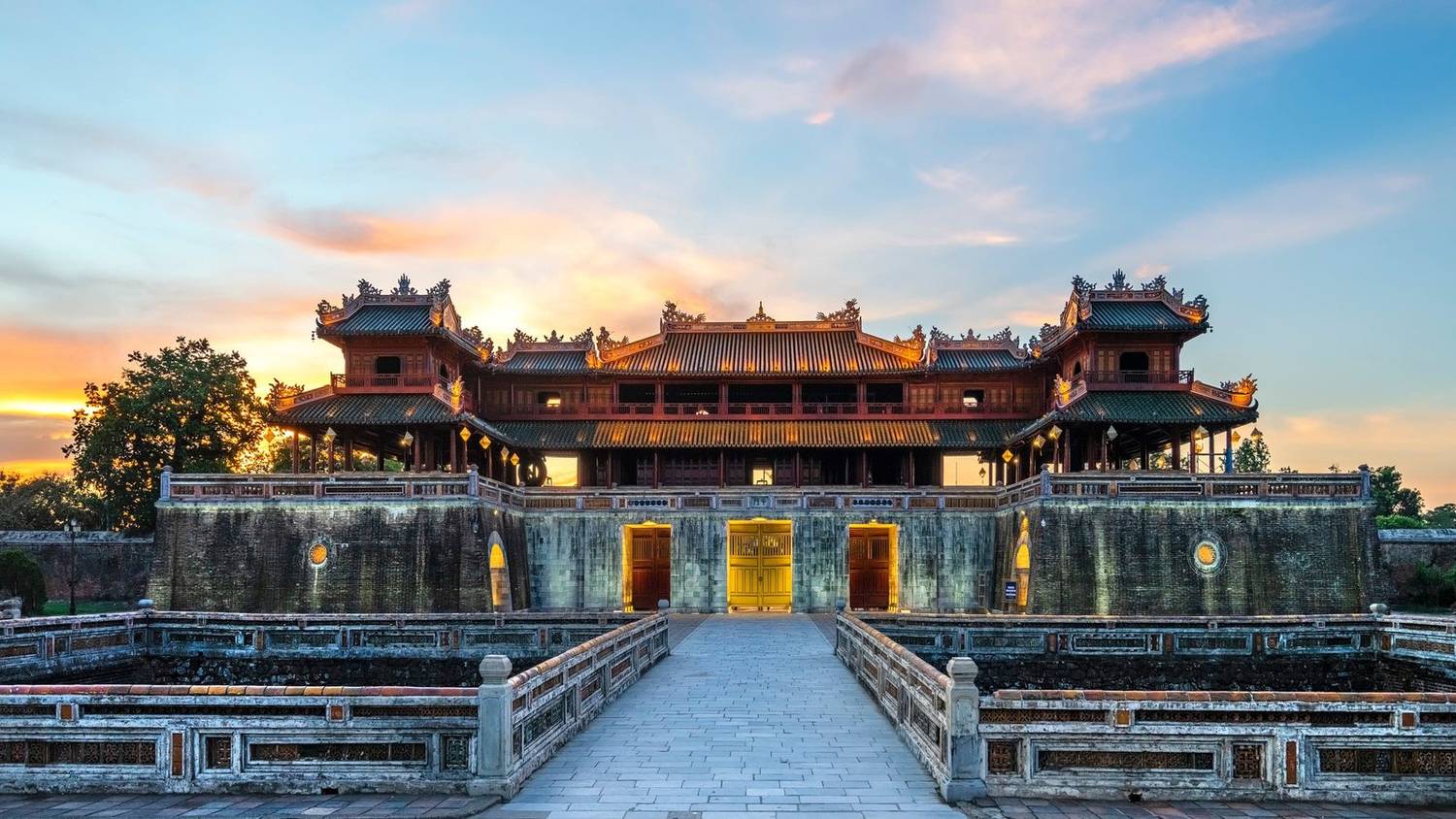
Hoàng thành và Tử Cấm thành của triều Nguyễn giữa Kinh thành Huế, lõi của Quần thể di tích Cố đô Huế vốn là di sản thế giới đầu tiên của Việt Nam (1993).
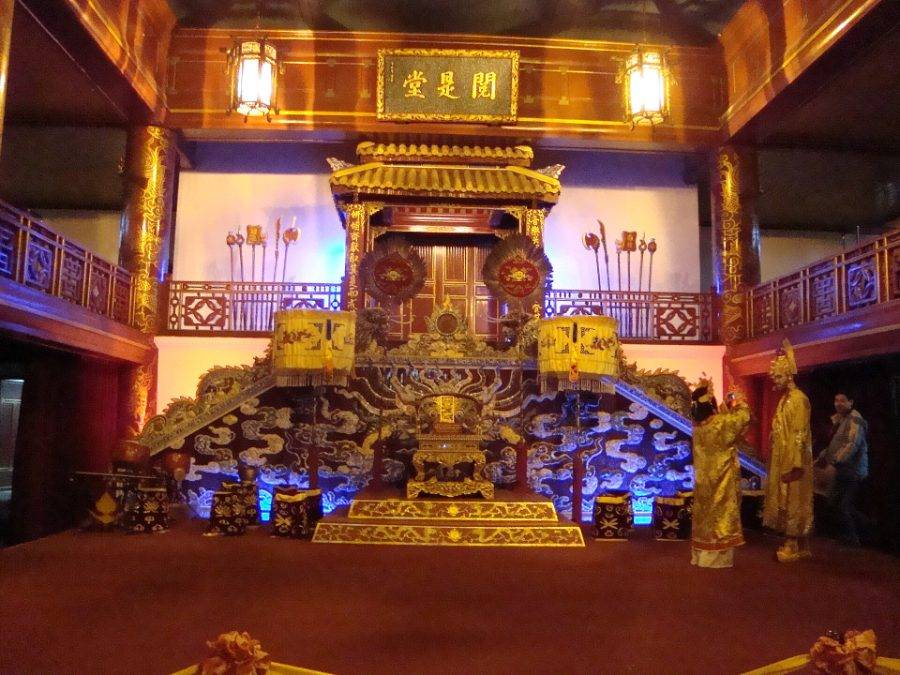
Nhà hát cung đình xây năm 1826 trong Tử Cấm Thành, sân khấu chính của Nhã nhạc, Múa và Tuồng cung đình; tạm nghỉ biểu diễn từ 05/9/2026.
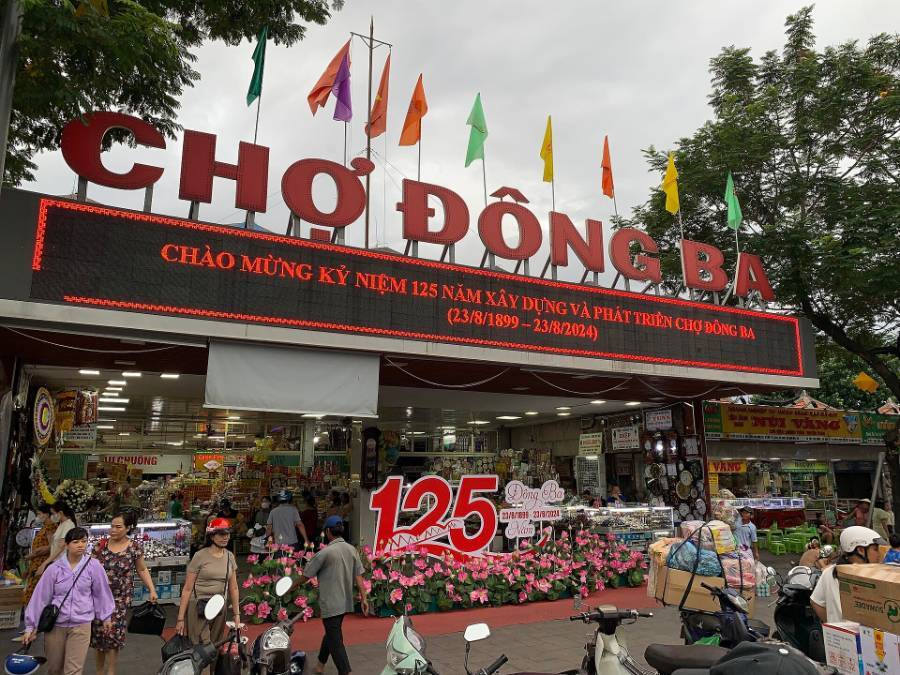
Chợ bên bờ bắc sông Hương, dời về chỗ hiện nay từ năm 1899, nơi người Huế đi chợ hằng ngày và khách tìm mắm, mè xửng, nón lá.
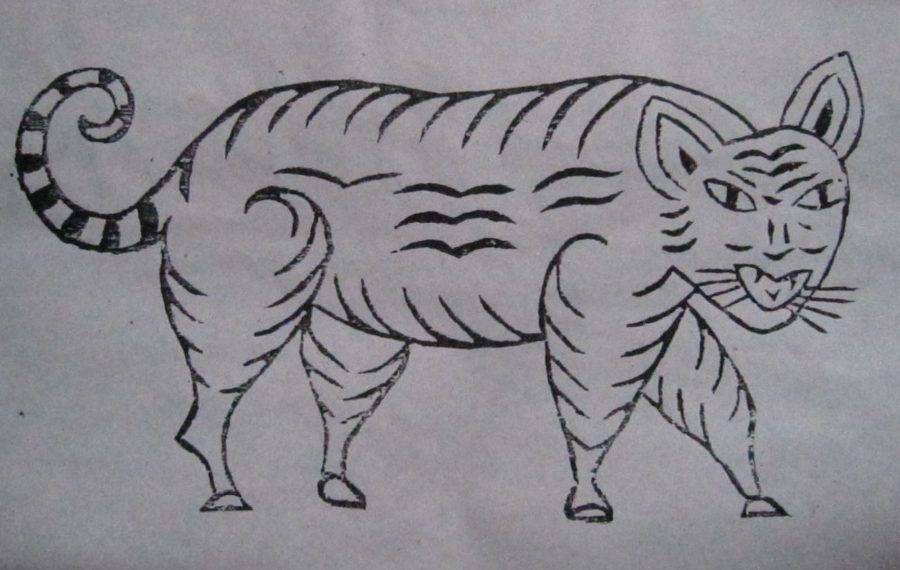
Làng Lại Ân ở ngã ba sông Hương, sông Bồ giữ dòng tranh khắc gỗ dân gian dùng để thờ và hóa trong lễ cầu an, cúng Tết.
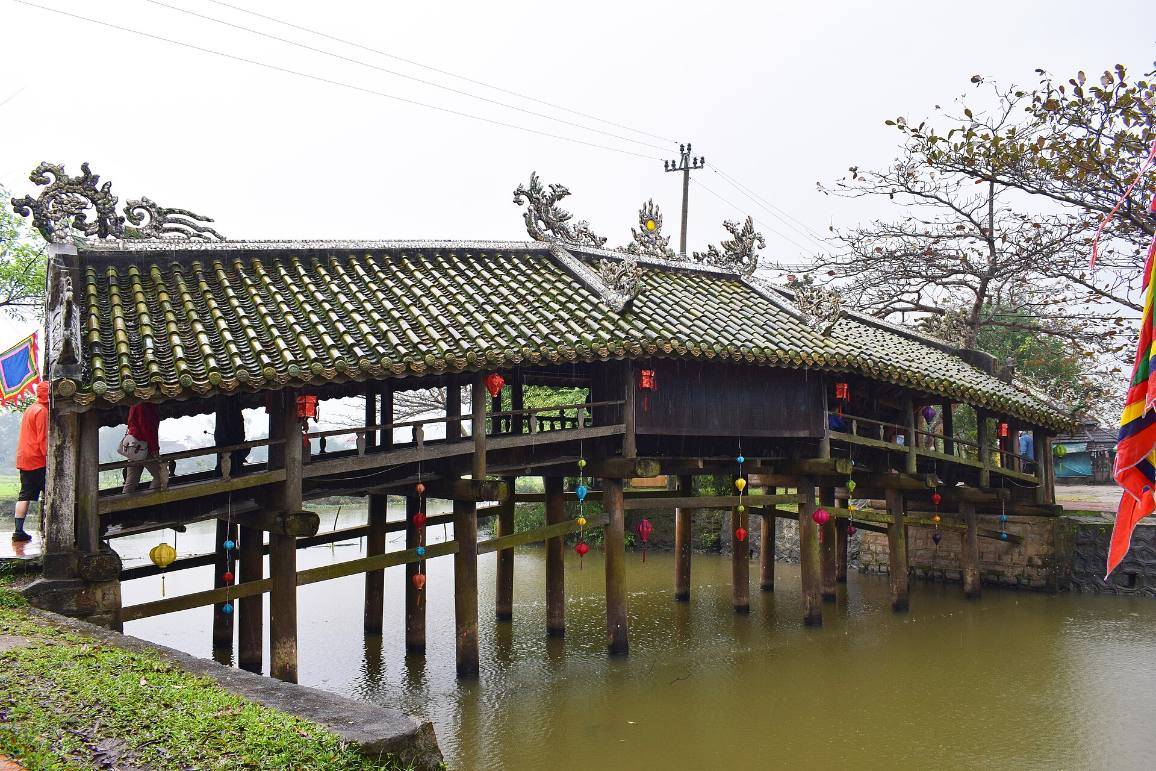
Cầu gỗ mái ngói kiểu "thượng gia, hạ kiều" dựng năm 1776 bên sông Như Ý, gian giữa thờ bà Trần Thị Đạo, người bỏ tiền làm cầu.
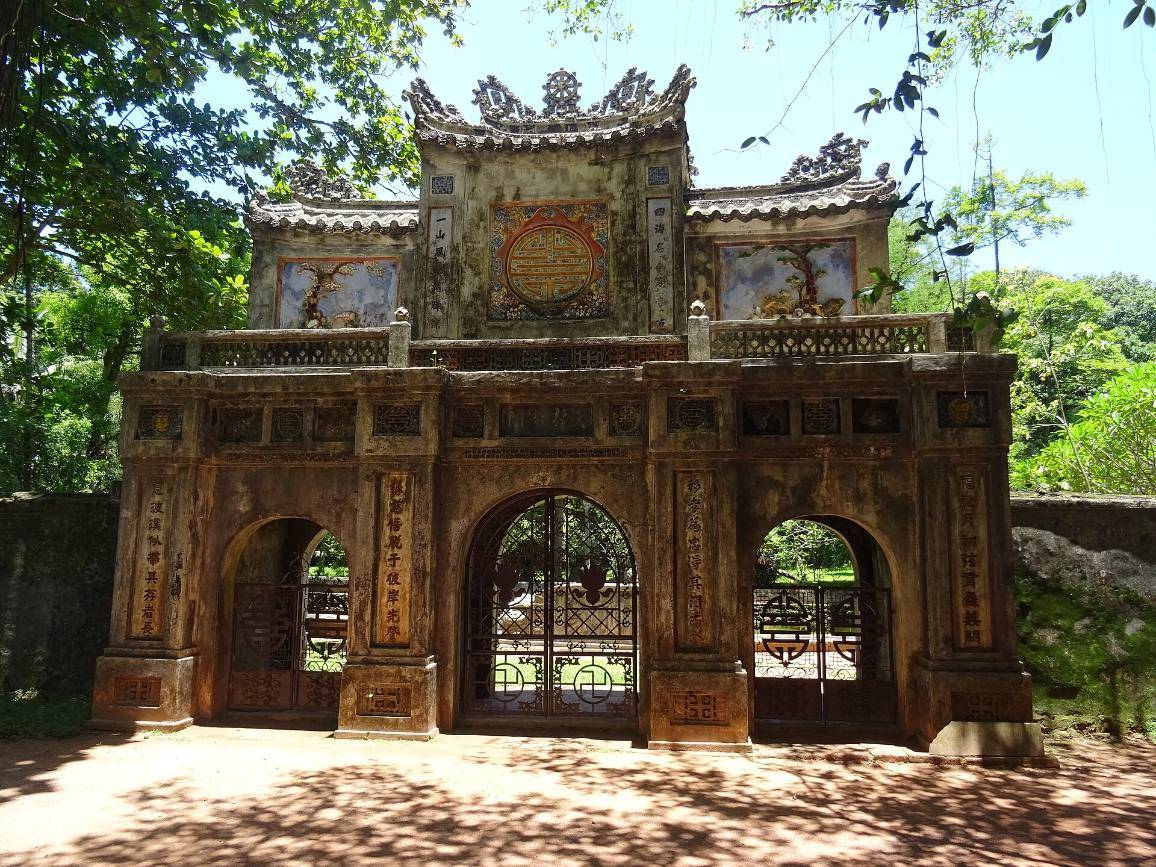
Ngôi chùa triều Nguyễn giữa rừng thông ở Thủy Xuân, có khu mộ các thái giám và là nơi thiền sư Thích Nhất Hạnh xuất gia, viên tịch.
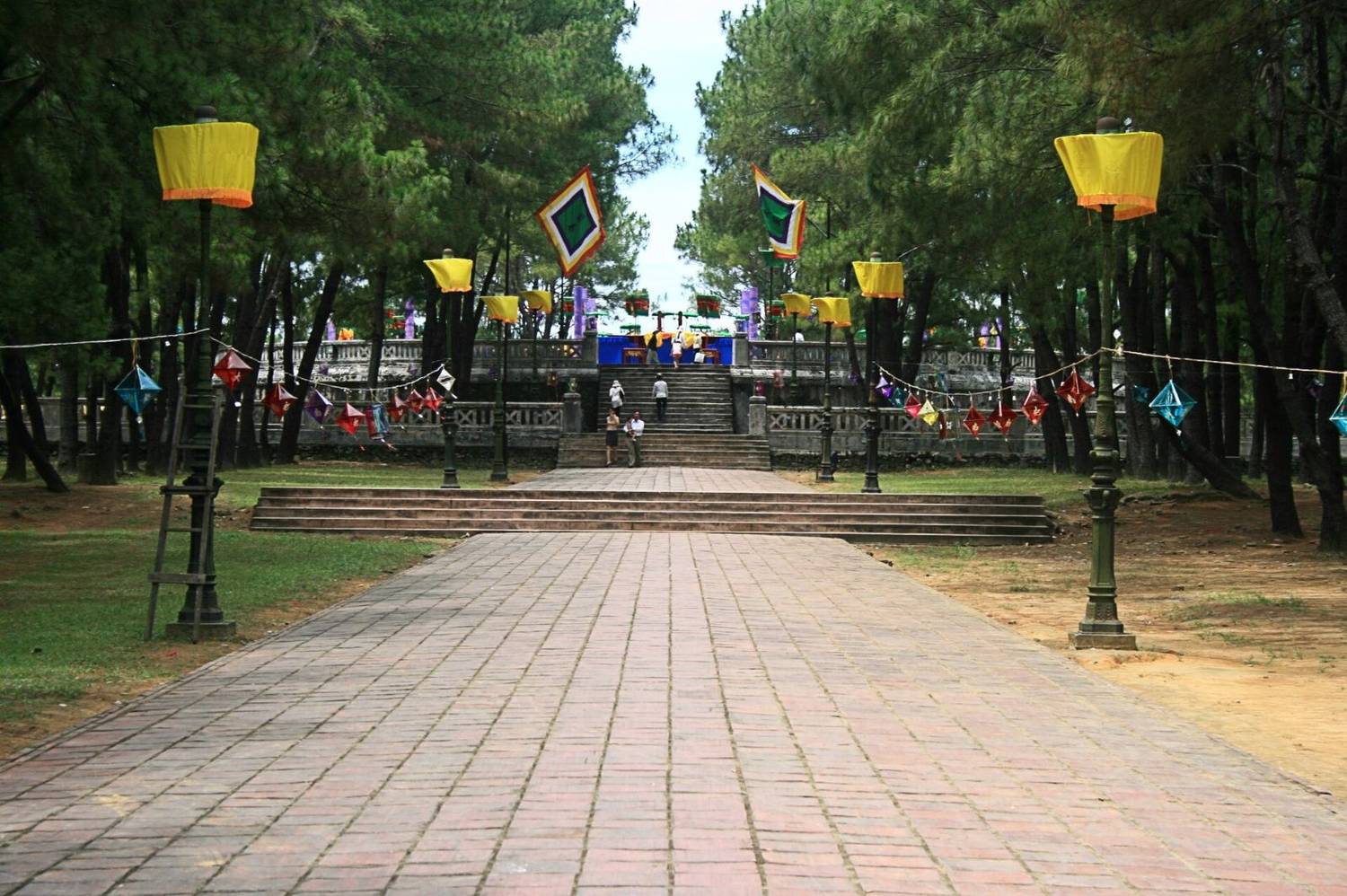
Đàn tế Trời Đất ba tầng của triều Nguyễn, khởi dựng năm 1806 phía nam Kinh thành, nơi diễn ra 98 kỳ lễ tế Giao từ 1807 đến 1945.
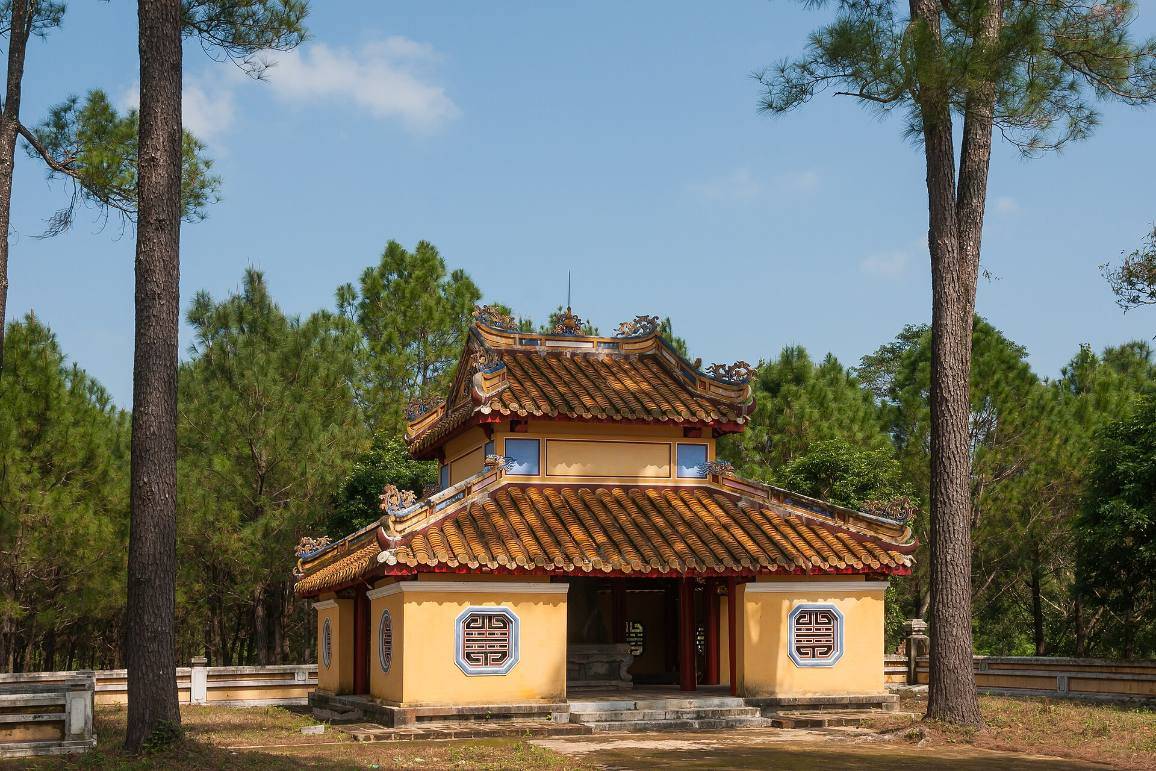
Quần thể lăng của vua Gia Long và hoàng tộc giữa 42 đồi núi Thiên Thọ Sơn, xây 1814–1820, không xây La thành, mộ vua và hoàng hậu nằm cạnh nhau.