

Hue chè and the street vendors who carry it
People in Hue can name dozens of kinds of chè. Behind that variety is a careful way of eating and the street vendors who have fed many generations.
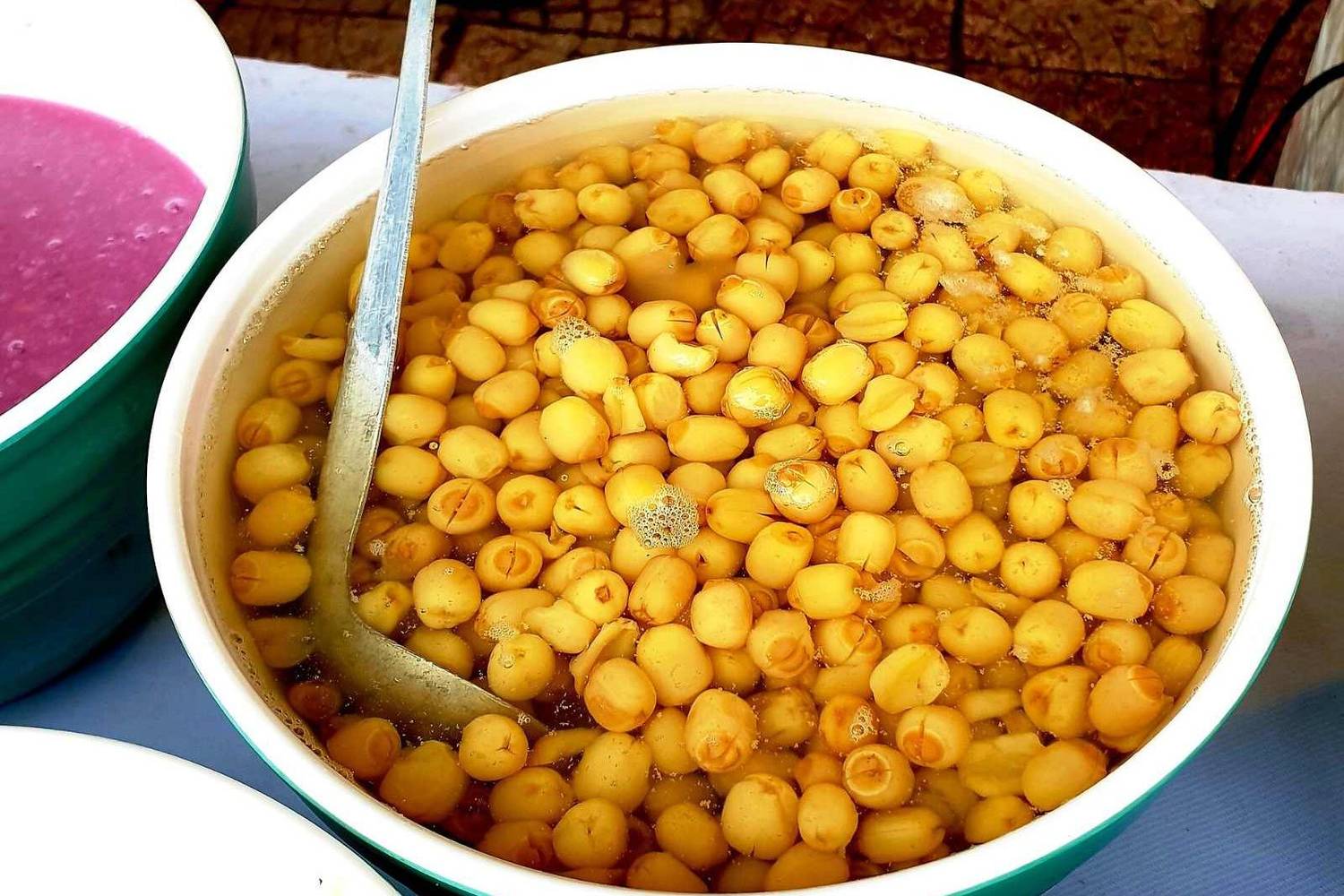
Table of contents
Ask someone from Hue which chè is good and you will get a long list: tapioca chè with roast pork, white bean chè, lotus seed chè, taro chè, corn chè… Each has its own season, its own recipe, and usually a vendor people know by name.
A careful way of eating
Hue cooking is famous for its refinement, partly shaped by the royal kitchen. Chè, though, belongs to the street, the market and the late afternoon. The care here is not in elegant presentation but in choosing ingredients, watching the fire and keeping the sweetness gentle.
The chè vendor's shoulder pole
Before there were fixed chè shops, many vendors carried their pots on shoulder poles through the streets and neighbourhoods. Their familiar calls became part of the sound of the city. Street vendors are fewer today, but some still follow the same routes, serving customers who have bought from them for years.
Eating chè the Hue way
- Eat several small bowls and try different kinds rather than one big bowl.
- Ask the vendor which kind is in season.
- Go in the afternoon, when the chè stalls are busiest.
A bowl of chè costs very little, yet it holds the whole unhurried rhythm of the city on the Perfume River.

A sample author profile for layout testing. Replace with the writer's real name, photo and bio.
Read next
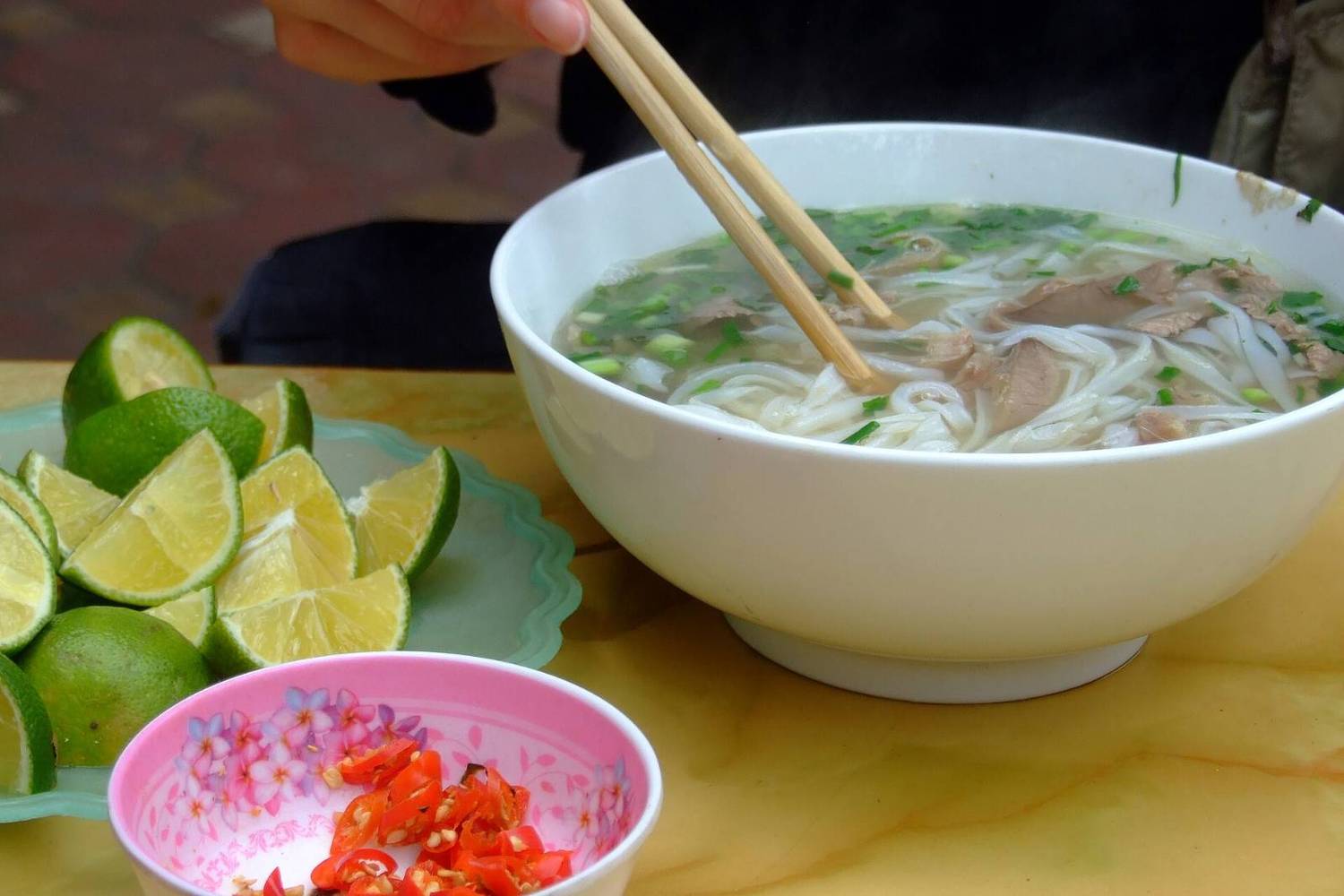
Early morning phở in Hanoi, a breakfast that holds a whole way of street life
For many Hanoians, phở is breakfast. Look at a phở stall at six in the morning and you see the whole rhythm of the city's streets.

Cai Be floating market at dawn
On the Tien River, Cai Be's floating market was once a meeting point for boats from across the region. To understand it is to understand how Mekong communities live with the water.
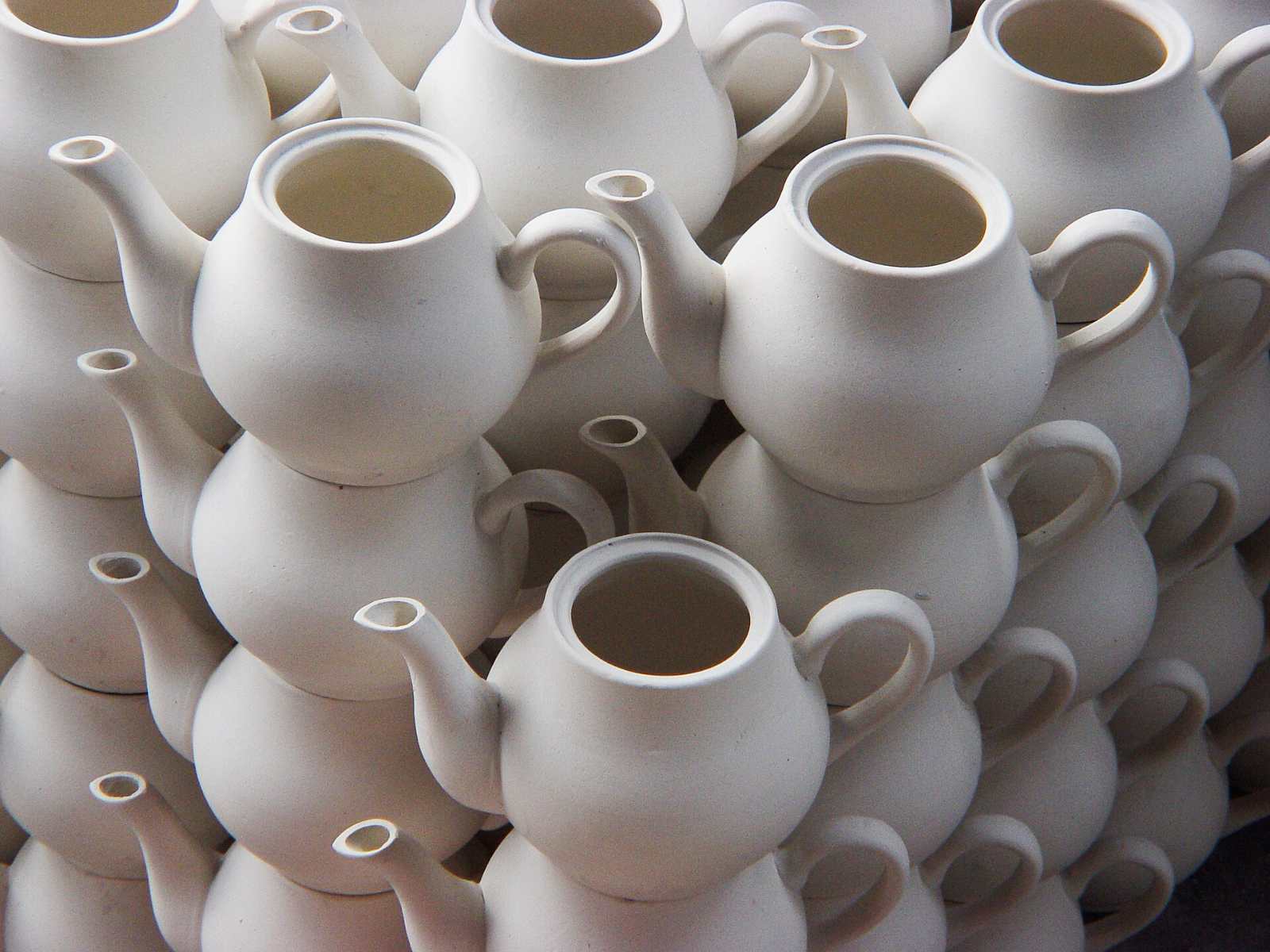
Portrait of the fire keeper at a Bat Trang kiln
In every firing there is one person rarely named: the kiln keeper. They read the fire with their eyes, their nose and a lifetime of experience.