

Portrait of the fire keeper at a Bat Trang kiln
In every firing there is one person rarely named: the kiln keeper. They read the fire with their eyes, their nose and a lifetime of experience.
Table of contents
People tend to remember the names of the painters and the shapers. Few ask the name of the kiln keeper. Yet whether a batch succeeds or fails depends largely on the final hours, when the pieces are already in the kiln and there is only the fire and the person watching it.
Reading the fire
Before temperature gauges, kiln keepers read the fire by its colour. Deep red, orange red, then bright yellow, each shade a temperature threshold. They looked through a small hole in the kiln wall, listened to the fire and smelled the smoke to know when to add wood and when to hold back.
Nobody sleeps on a firing night. You stay up with the fire the way you stay up with someone who is ill.
Today gas kilns and temperature gauges have taken over most of that work. Yet experienced potters still glance through the spy hole, as a way of checking what the machines are telling them.
Knowledge that is not in books
Ask a kiln keeper about the work and the answers are very concrete: on humid days the fire rises more slowly, a batch with lots of crackle glaze must cool gradually, a kiln stacked too tightly leaves the pieces in the middle unevenly fired. It is knowledge built up over hundreds of firings, including the failed ones.
When the craft changes pace
Gas kilns have made the village cleaner and the work less exhausting. But they have also turned fire watching into a skill few people need to learn. The potter in this story says he does not miss the old kiln; he only hopes someone will record what he knows before it disappears along with the habit.
That is also why Localis started this series: so that the people who keep the fire have names, and their knowledge has a place to be kept.

A sample author profile for layout testing. Replace with the writer's real name, photo and bio.
- Kiln keeper (sample character)
Read next

Cai Be floating market at dawn
On the Tien River, Cai Be's floating market was once a meeting point for boats from across the region. To understand it is to understand how Mekong communities live with the water.
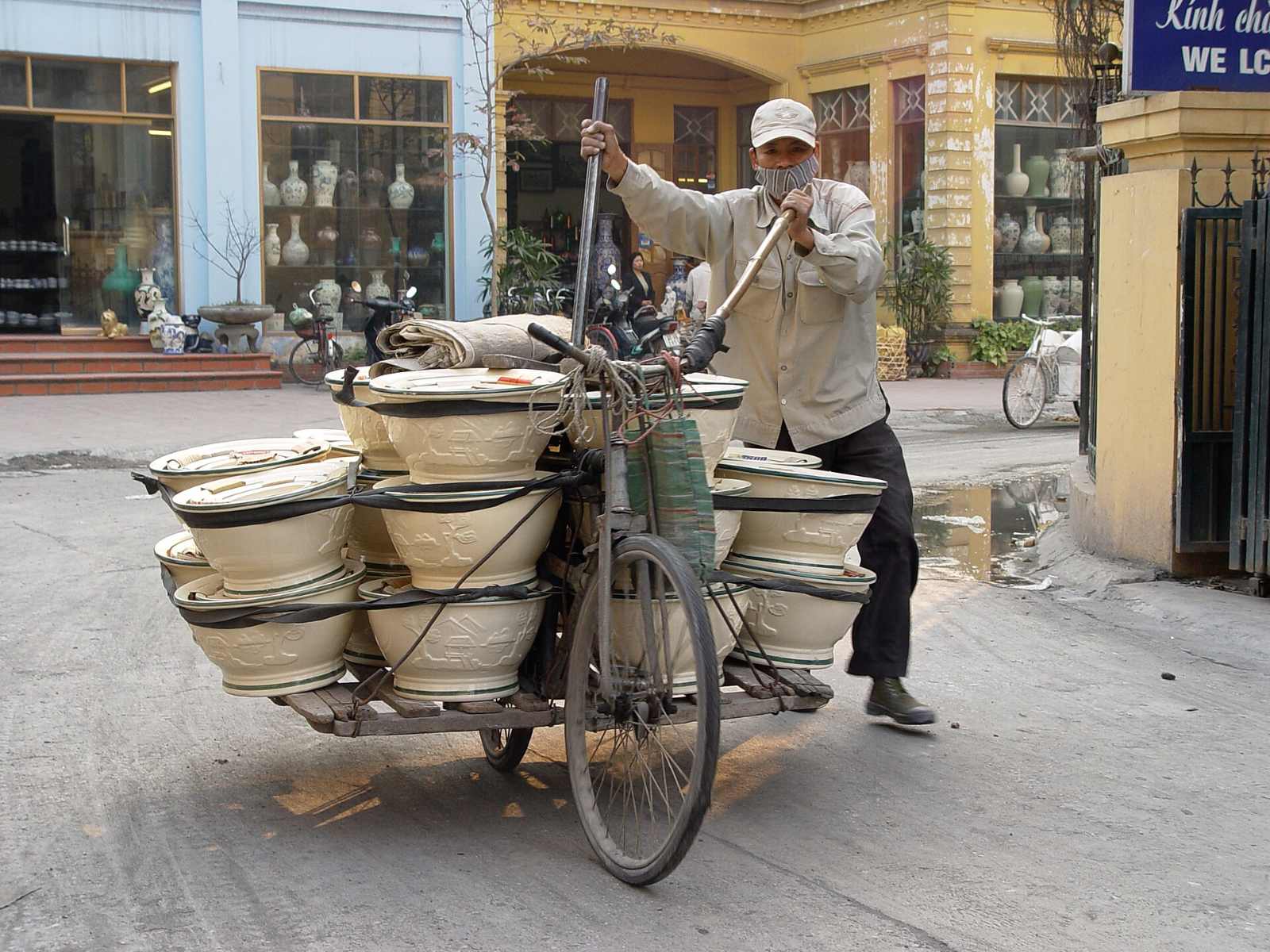
Reading Bat Trang pottery village through clay, fire and glaze
Bat Trang is more than a place to buy ceramics. Walk its lanes slowly and you can read a whole body of knowledge about clay, fire and glaze, passed down by hand over generations.
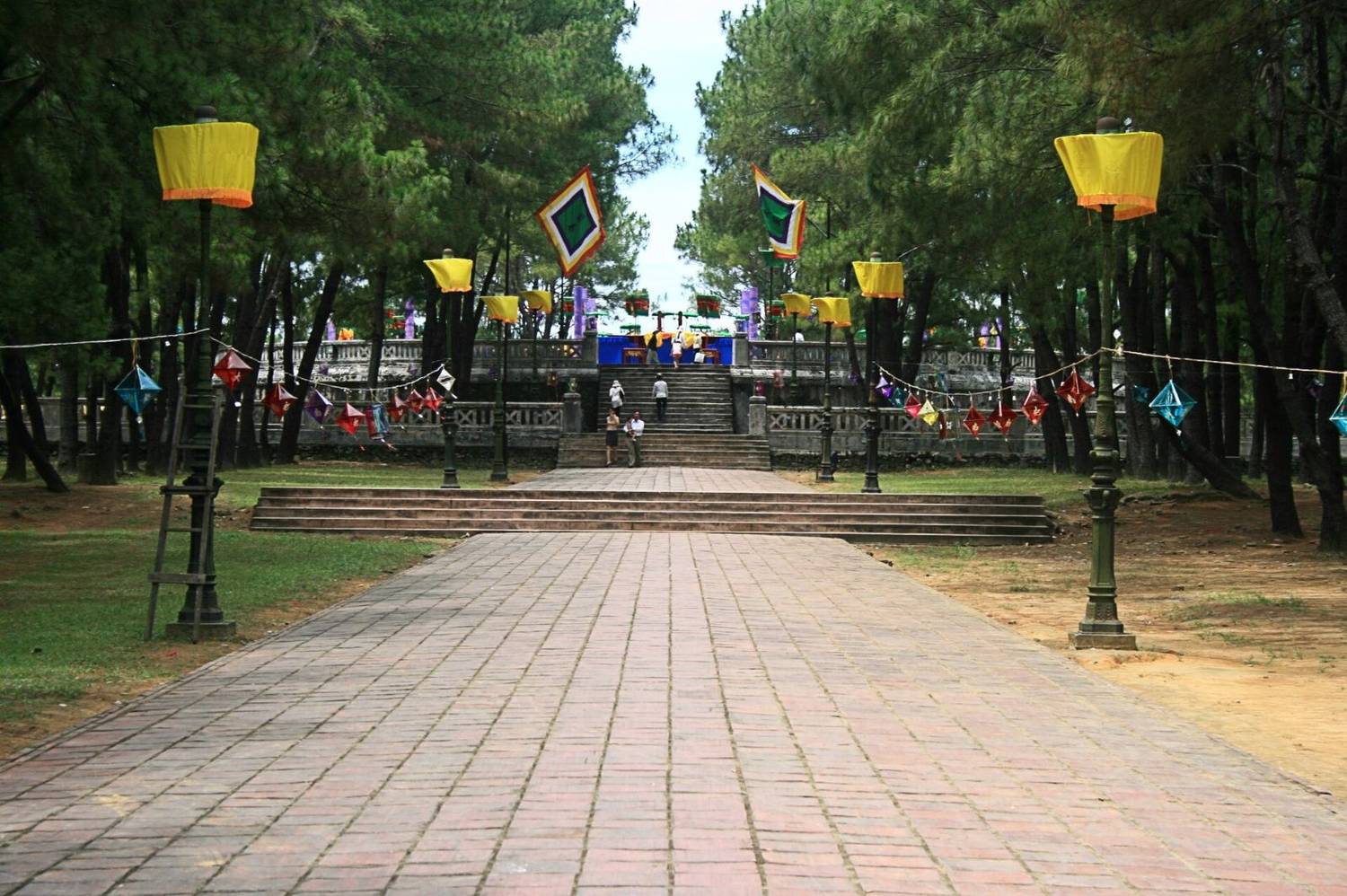
Nha nhac and the sound of ritual at the royal court of Hue
Nha nhac once accompanied the most important rituals of the imperial court. Understanding it means understanding how a dynasty used sound to express order and solemnity.