

Nha nhac and the sound of ritual at the royal court of Hue
Nha nhac once accompanied the most important rituals of the imperial court. Understanding it means understanding how a dynasty used sound to express order and solemnity.
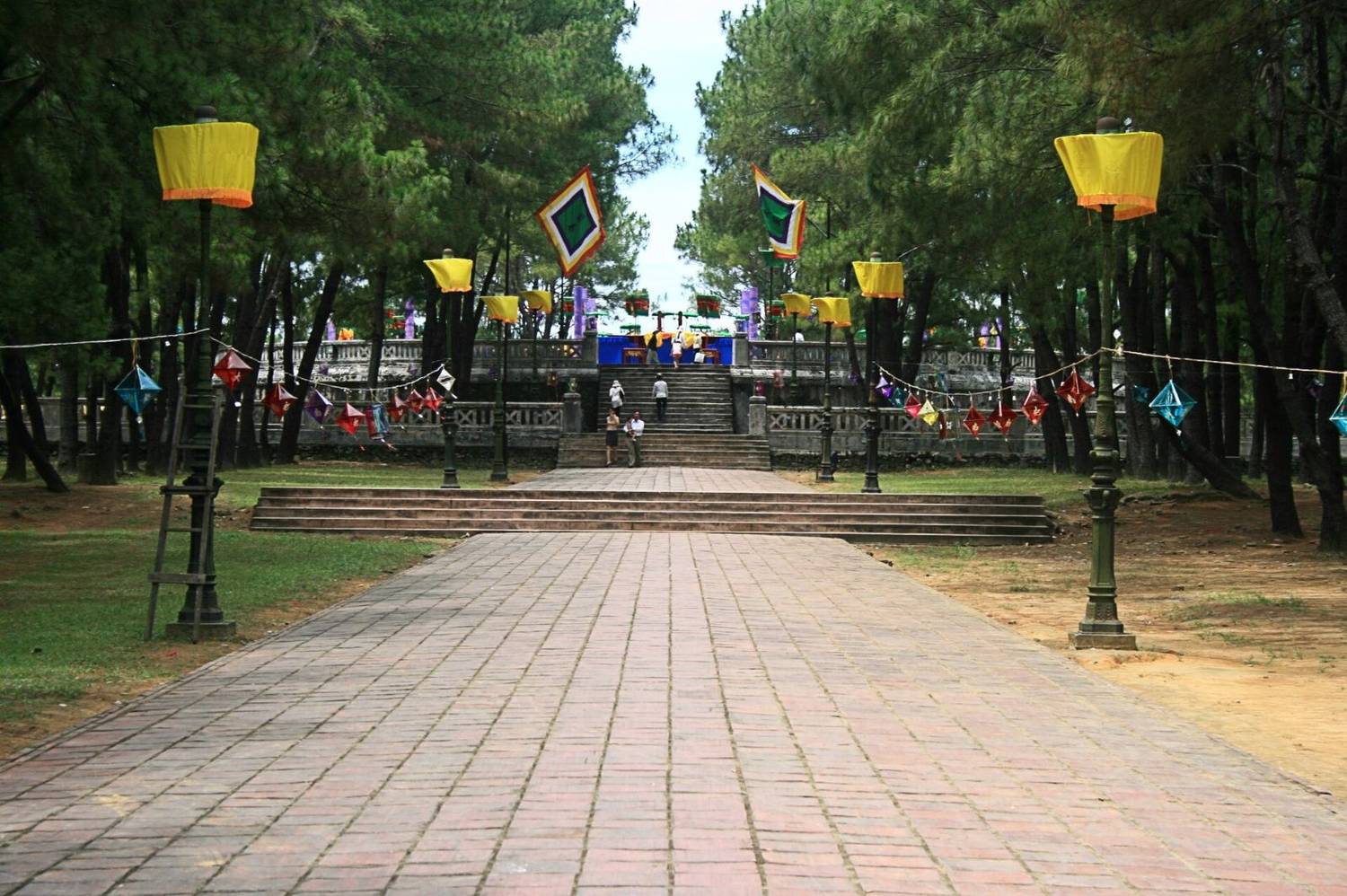
Table of contents
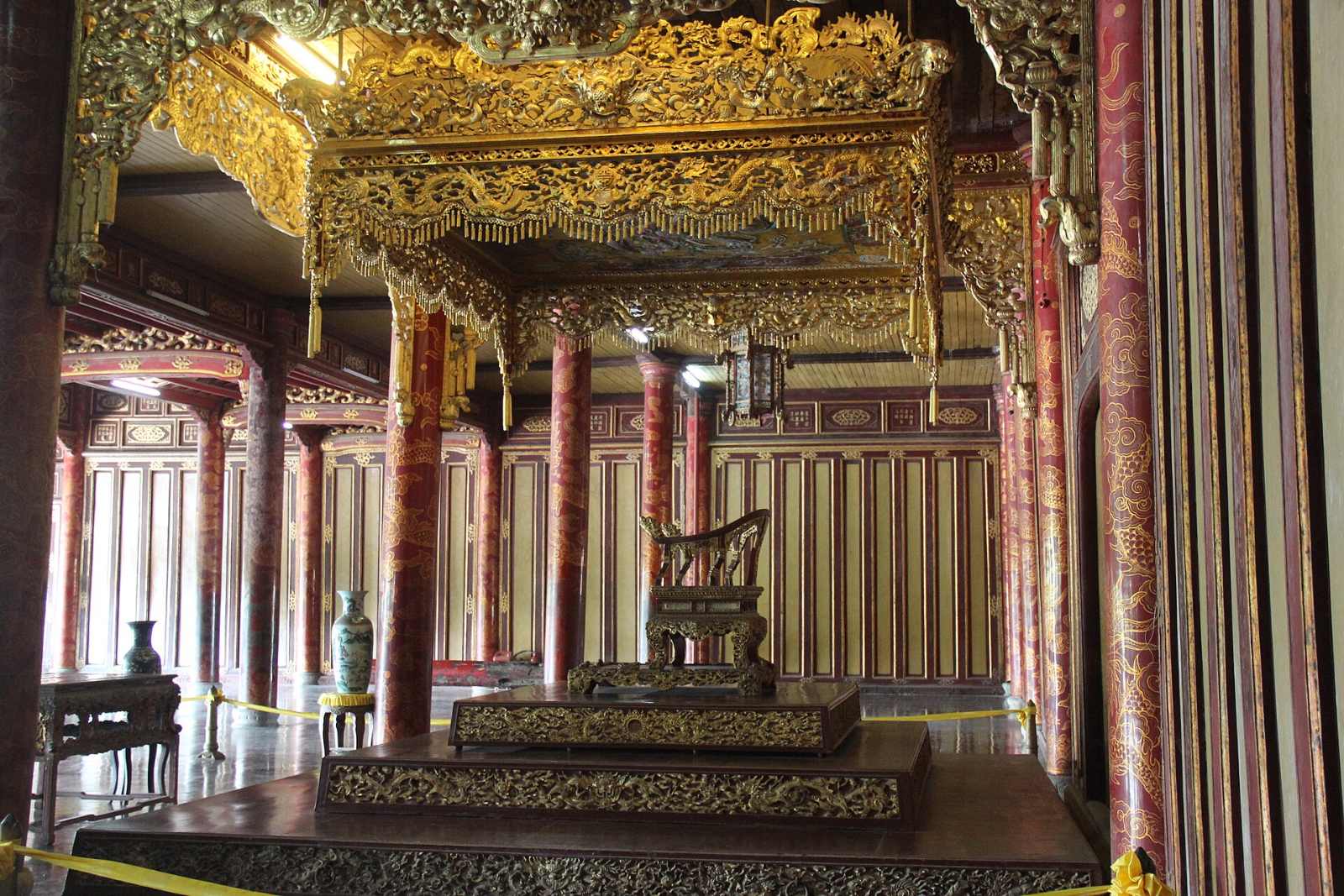
At court, music was not simply for listening. Each ritual had its own repertoire, its own ensemble and its own moments for music to begin and end. Nha nhac, meaning “elegant music”, is the name for the music of these solemn occasions.
Music as order
Under the Nguyen dynasty, nha nhac accompanied rituals such as sacrifices to Heaven and Earth, ancestral ceremonies, coronations and royal audiences. Music marked each step: the emperor's entrance, the offerings, the close. Participants could tell where a ceremony stood without looking.
A heritage that nearly disappeared
When the dynasty ended, the setting for nha nhac, the court, disappeared with it. Many musicians had to find other work. Much of the repertoire survived only in the memory of a few people.
UNESCO recognition brought resources to revive the tradition and train new musicians. Today visitors can hear nha nhac at the monuments and during festivals in Hue.
How to listen
To new ears, nha nhac can sound slow and unfamiliar. Try not to hear it as a concert piece. Instead, imagine a ceremony unfolding: each passage is a step, each drumbeat a signal. Placed back in its context, the music becomes much easier to follow.
Frequently asked questions
When was Nha nhac recognised by UNESCO?
Nha nhac was proclaimed a Masterpiece of the Oral and Intangible Heritage of Humanity in 2003 and later inscribed on the Representative List.
Can visitors hear Nha nhac in Hue?
Yes. It is performed at some sites within the monument complex and during festivals. Check performance times before you go.

The Localis editorial team researches, writes and fact-checks stories about local culture, working with artisans, researchers and local residents.
Read next

Cai Be floating market at dawn
On the Tien River, Cai Be's floating market was once a meeting point for boats from across the region. To understand it is to understand how Mekong communities live with the water.
Portrait of the fire keeper at a Bat Trang kiln
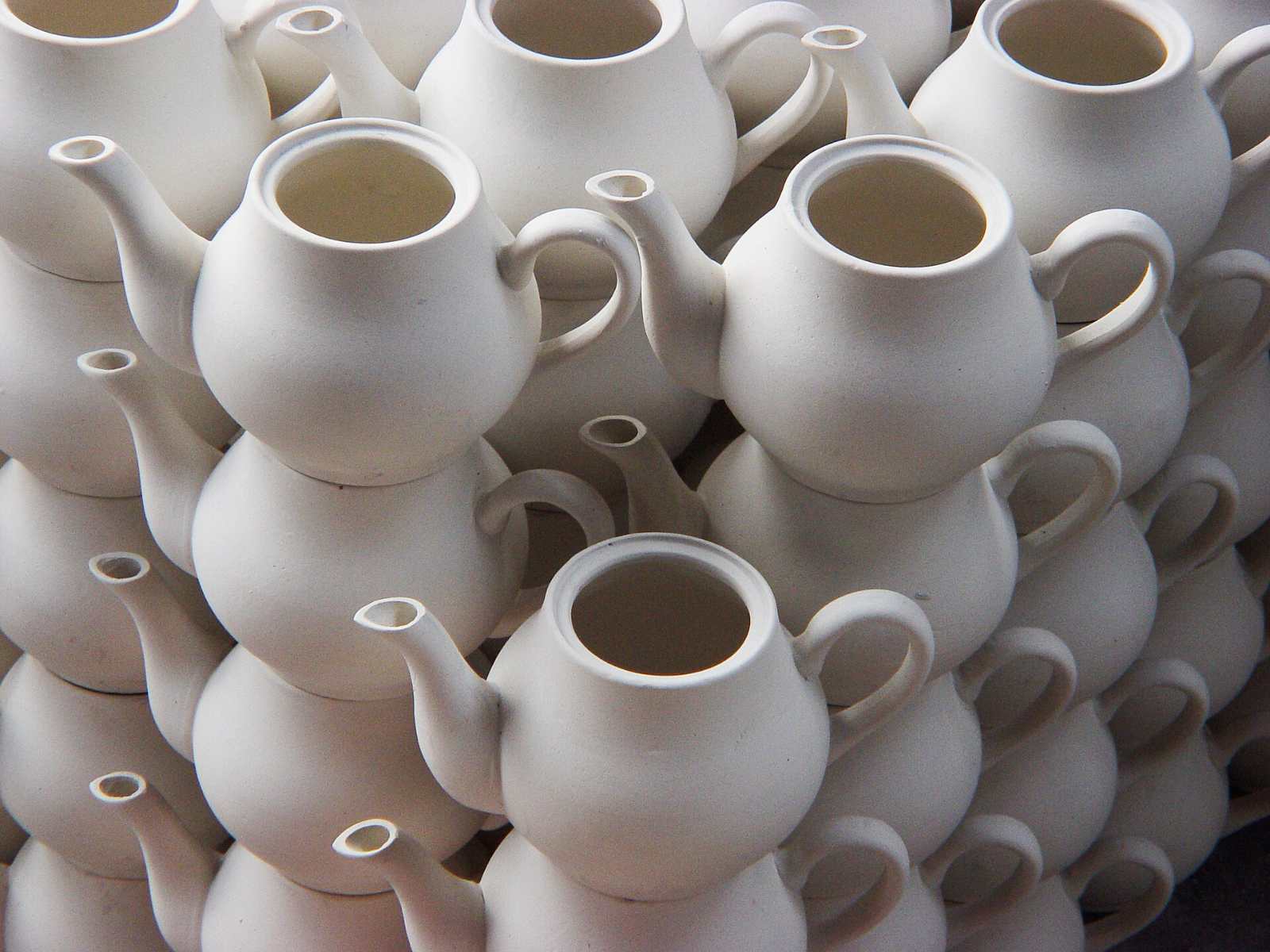
In every firing there is one person rarely named: the kiln keeper. They read the fire with their eyes, their nose and a lifetime of experience.
Reading Bat Trang pottery village through clay, fire and glaze
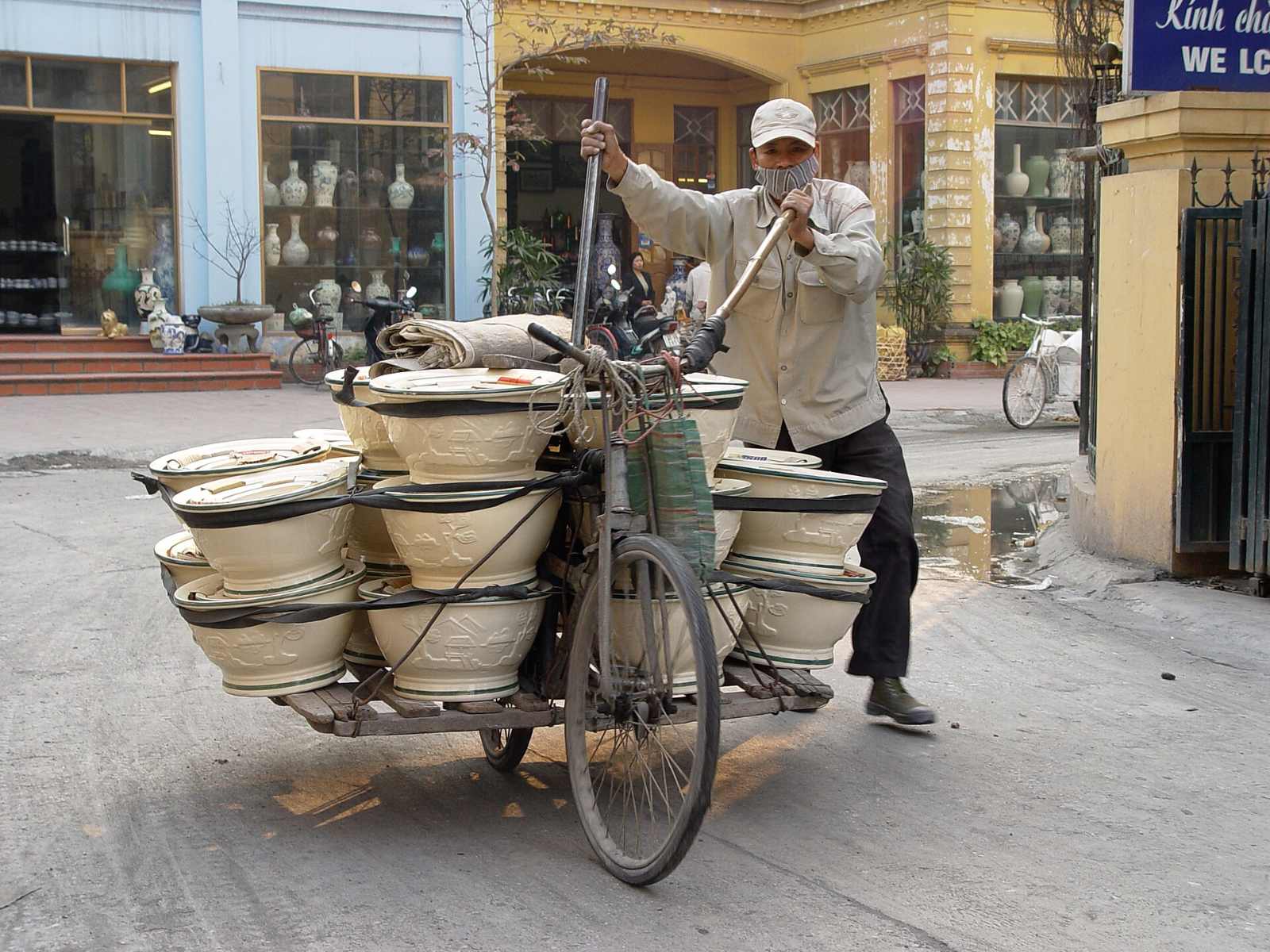
Bat Trang is more than a place to buy ceramics. Walk its lanes slowly and you can read a whole body of knowledge about clay, fire and glaze, passed down by hand over generations.