

Early morning phở in Hanoi, a breakfast that holds a whole way of street life
For many Hanoians, phở is breakfast. Look at a phở stall at six in the morning and you see the whole rhythm of the city's streets.
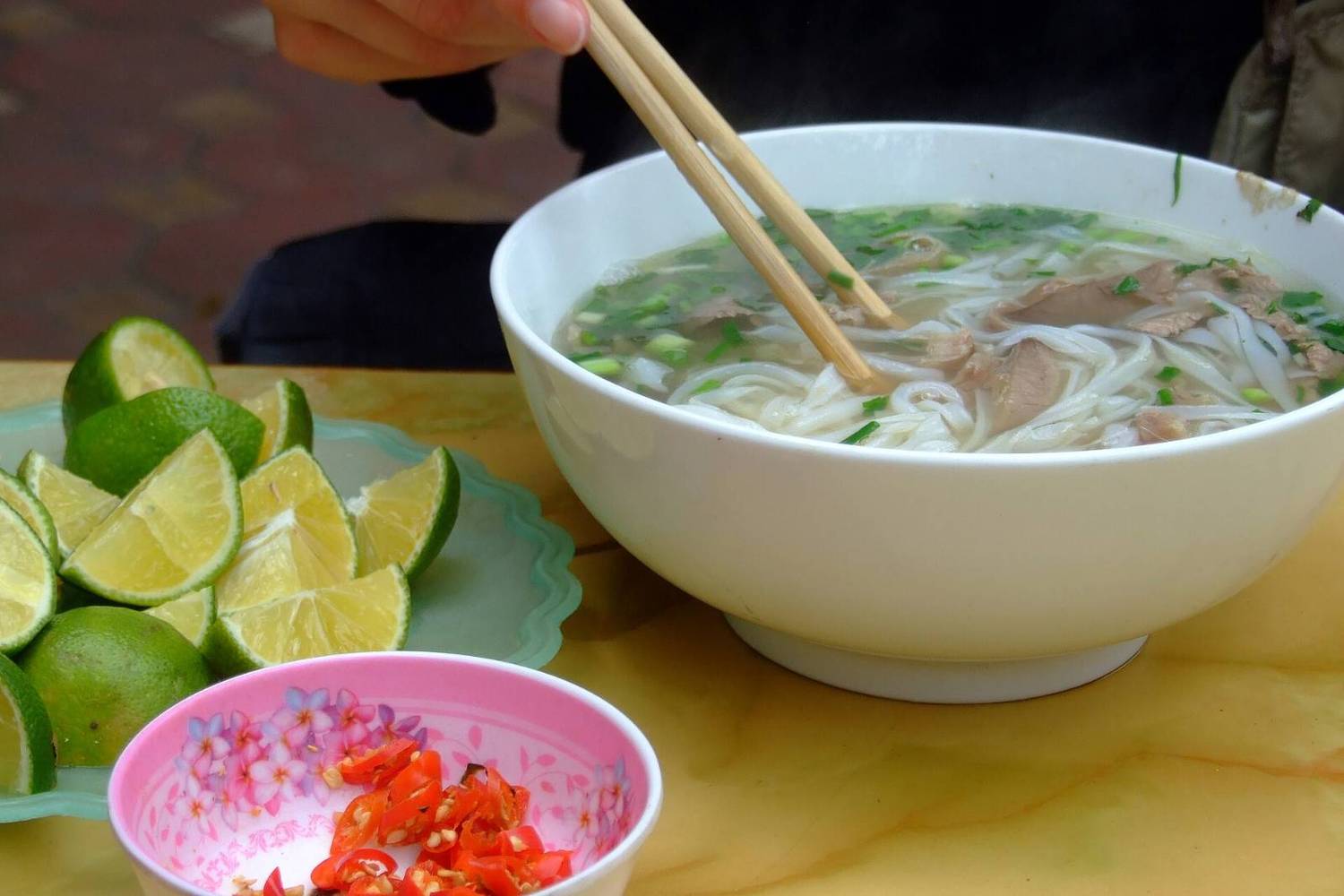
Table of contents
At six in the morning the broth has been simmering since the night before. The vendor deftly blanches noodles, slices beef and ladles out broth. Customers sit on low plastic stools, eat quickly and head off to work. An early morning phở stall is one of the most familiar scenes in Hanoi.
The broth is the soul
Hanoians often say a phở is only as good as its broth. Bones are simmered for hours with grilled ginger, charred onion and a few spices. Every stall has its own recipe and rarely reveals it.
The phở stall as a meeting place
A regular phở stall is more than a place to eat. It is where people meet their neighbours, catch up on street news and notice the small changes in their area. Many stalls have been handed down through two or three generations of the same family.
Eating phở the Hanoi way
- Go early, as many stalls only sell until mid morning.
- Taste the broth before adding seasoning.
- Order the way the shop does: rare, well done, or seared rare.
A bowl of phở can be eaten in ten minutes. But to understand why Hanoians are so attached to it, you probably need many more mornings than that.

A sample author profile for layout testing. Replace with the writer's real name, photo and bio.
Read next
Hue chè and the street vendors who carry it
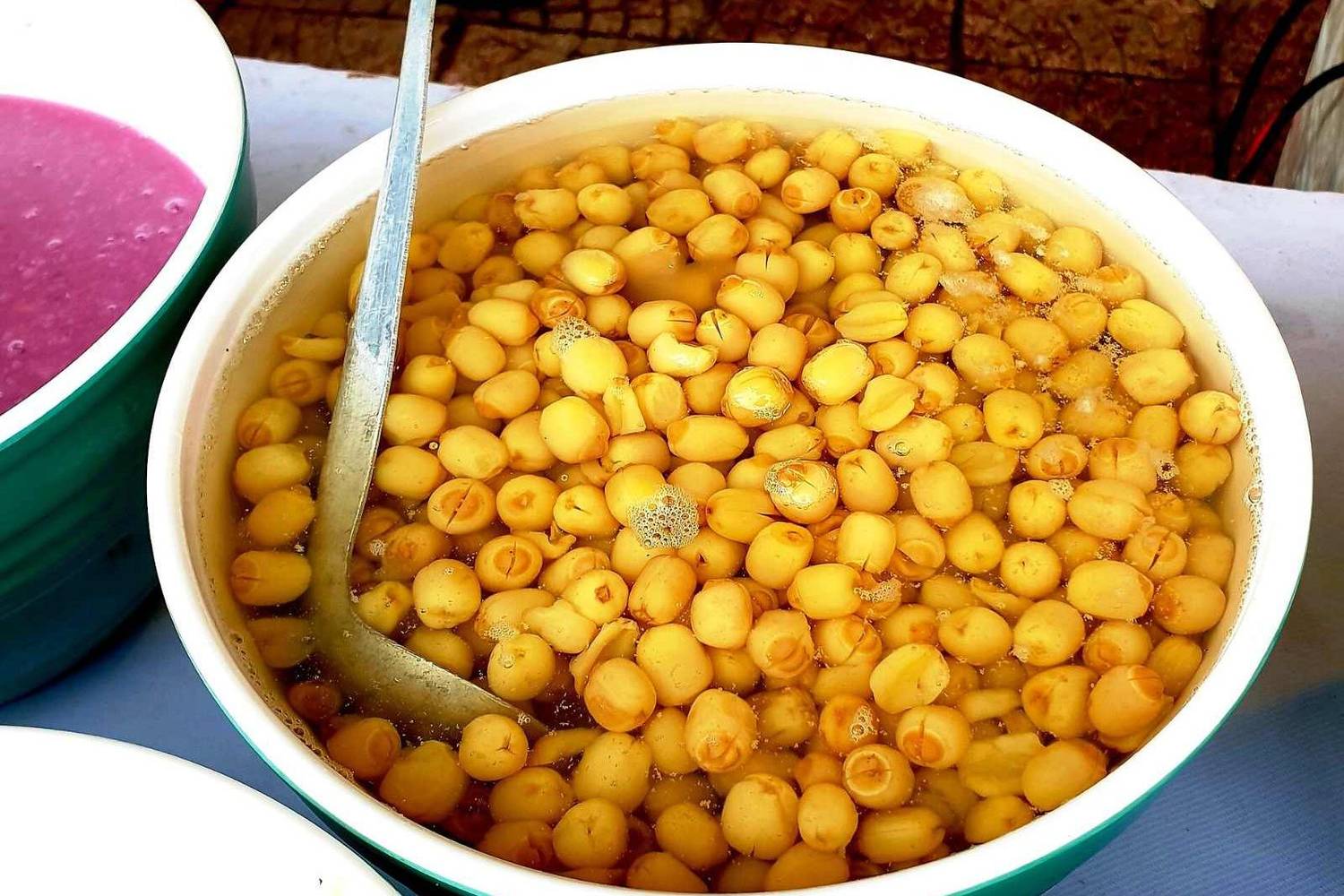
People in Hue can name dozens of kinds of chè. Behind that variety is a careful way of eating and the street vendors who have fed many generations.
Cai Be floating market at dawn
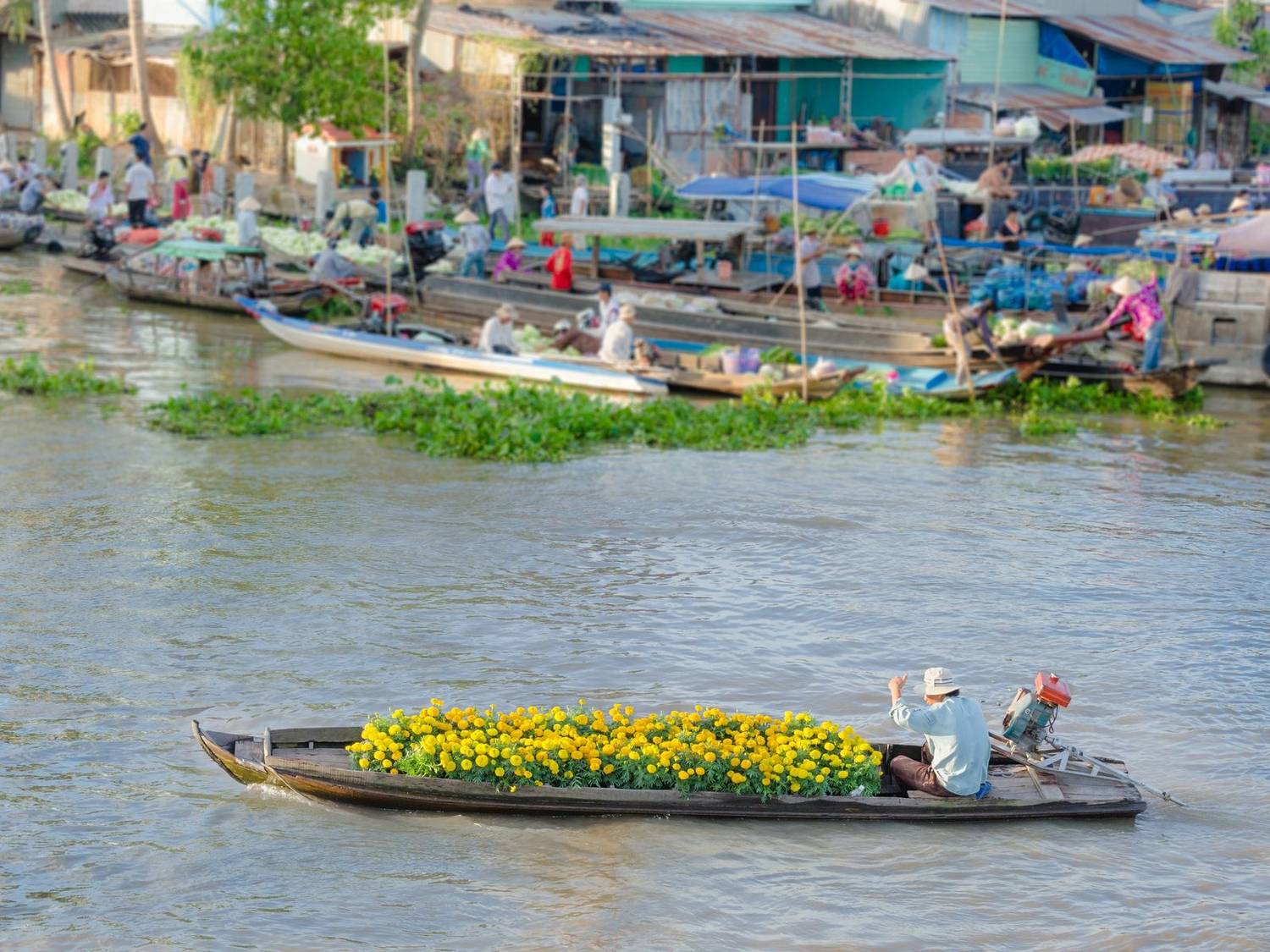
On the Tien River, Cai Be's floating market was once a meeting point for boats from across the region. To understand it is to understand how Mekong communities live with the water.
Portrait of the fire keeper at a Bat Trang kiln
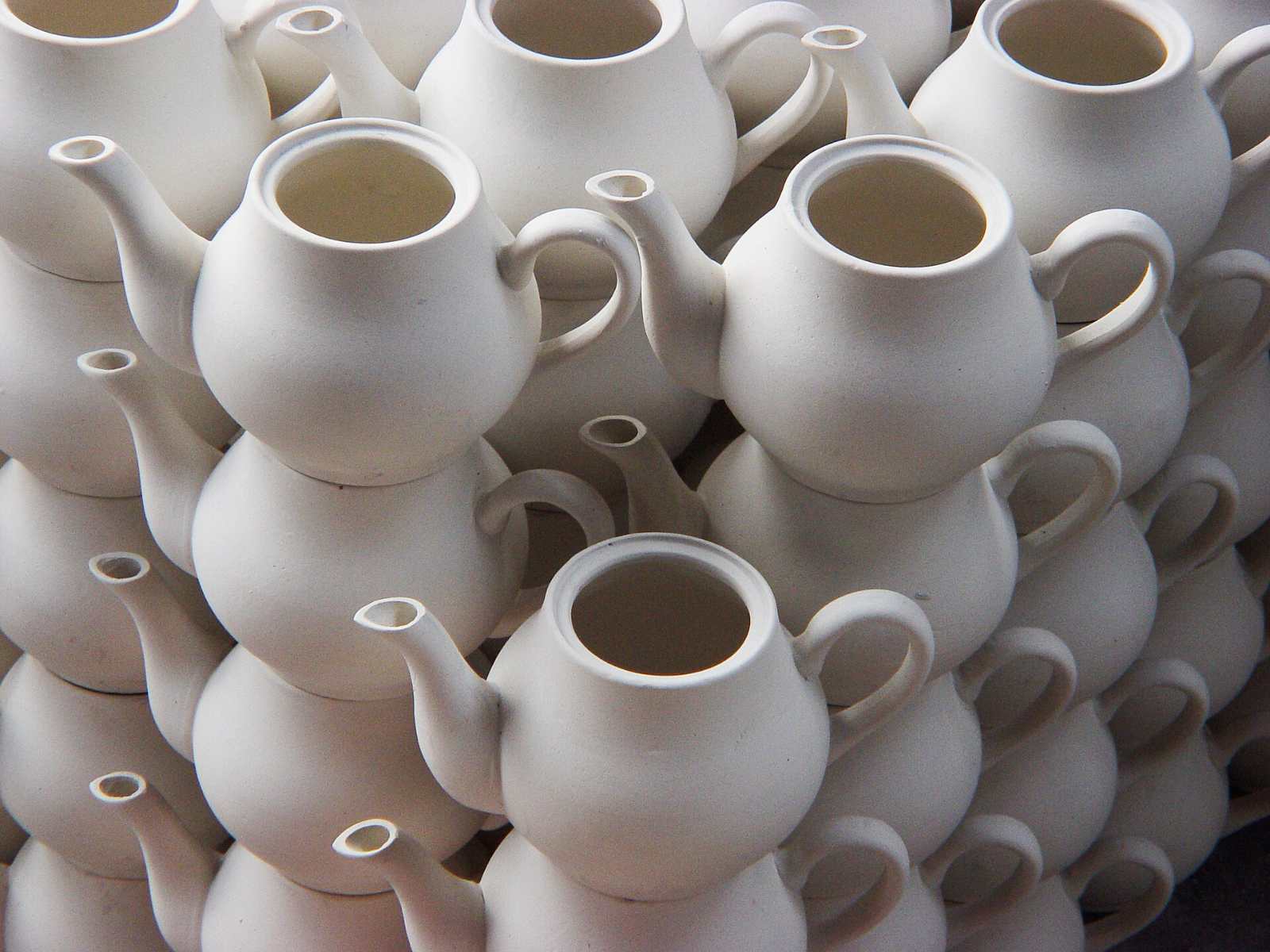
In every firing there is one person rarely named: the kiln keeper. They read the fire with their eyes, their nose and a lifetime of experience.