

Full moon in Hoi An, when the whole town lives by the moon
Every full moon, Hoi An old town has its own rituals: lighting lanterns, floating paper lanterns, making offerings. They are traces of a way of life that still measures time by the moon.
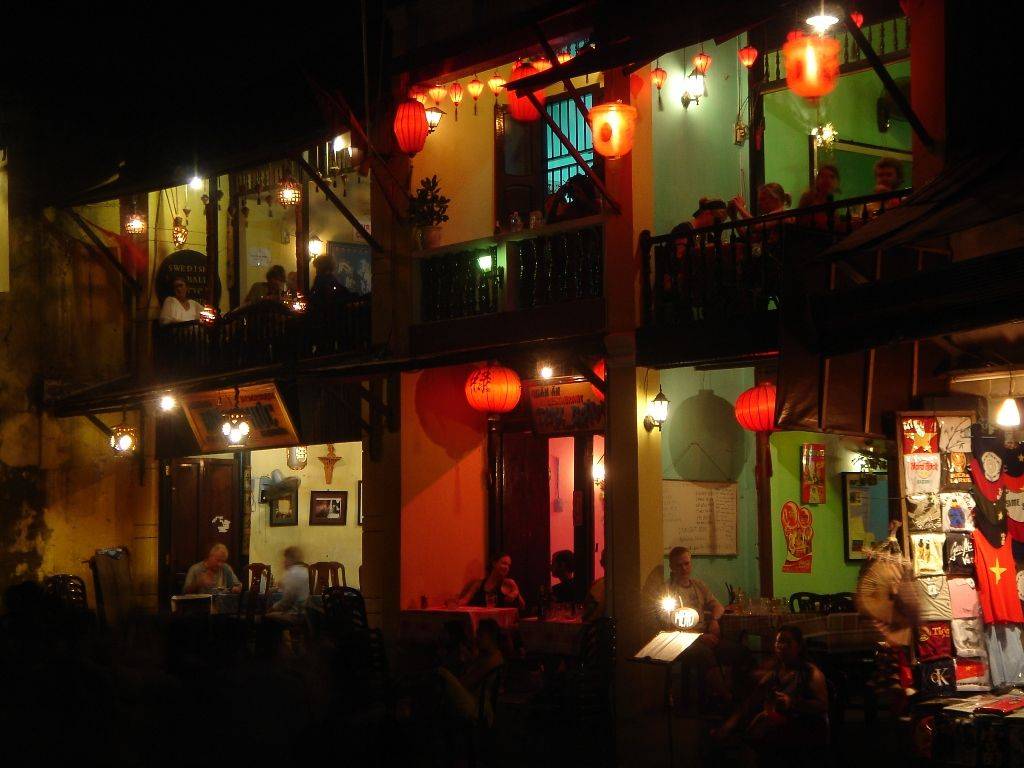
Table of contents
In many cities the lunar calendar only appears on major holidays. In Hoi An the moon still has a place in the monthly rhythm of life. On the full moon night many families burn incense and set out offerings in front of their homes, and the old town holds its own cultural activities.
Rituals at home, life in the street
The full moon offering belongs to each family: a small tray, a few incense sticks, a prayer for peace. When these private rituals happen at the same time across every street, they create the shared atmosphere of the whole old town.
We make an offering every full moon. Not because of visitors, but because that is how it has been since my grandmother's time.
Lanterns on the Hoai River
Releasing paper lanterns is the activity visitors know best. Each small paper lantern carries a wish. For local people it is also a time to remember those who have passed away.
Visiting Hoi An on a full moon night
The full moon night is when the old town is busiest. If you want to feel its everyday life more than its festival side, walk into the small lanes where families are making their full moon offerings, and keep a respectful distance from these private rituals.
Frequently asked questions
When is the full moon night in Hoi An?
On the 14th day of every lunar month (the night before the full moon). Check the exact schedule with the local authorities, as the activities can change over time.

A sample author profile for layout testing. Replace with the writer's real name, photo and bio.
Read next

Cai Be floating market at dawn
On the Tien River, Cai Be's floating market was once a meeting point for boats from across the region. To understand it is to understand how Mekong communities live with the water.
Portrait of the fire keeper at a Bat Trang kiln
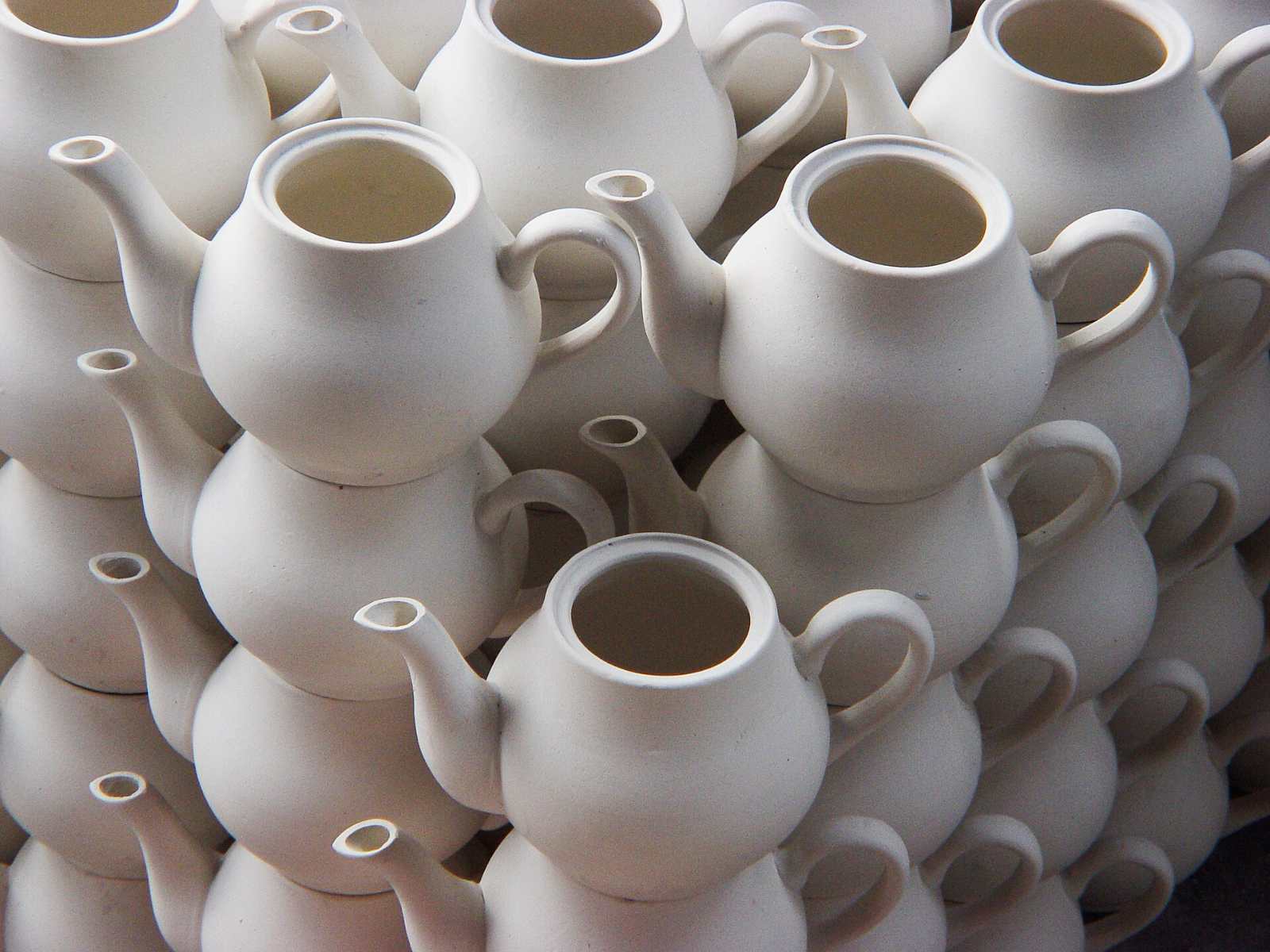
In every firing there is one person rarely named: the kiln keeper. They read the fire with their eyes, their nose and a lifetime of experience.
Reading Bat Trang pottery village through clay, fire and glaze
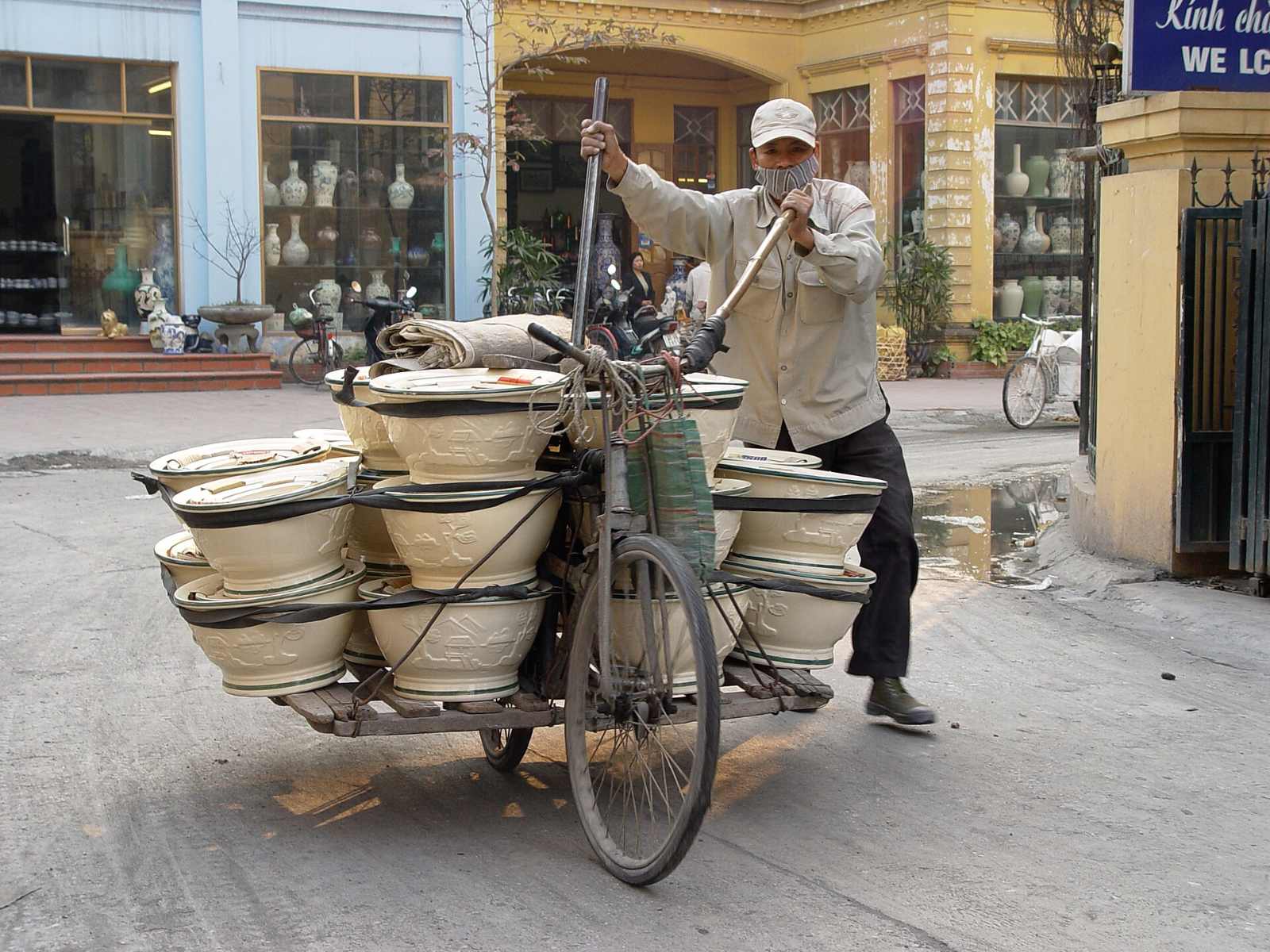
Bat Trang is more than a place to buy ceramics. Walk its lanes slowly and you can read a whole body of knowledge about clay, fire and glaze, passed down by hand over generations.